Case Studies

Our case studies show how restaurants across the country trusted TimeWorn Wood to turn design intent into daily performance. You will see how real projects balance beauty and service life, from warm walnut in fine dining rooms to hard-wearing oak butcher block in high-traffic taprooms. The stories highlight planning that begins with the guest path, the table base footprint, and the size that keeps conversations easy, then moves through sample reviews and finish approvals until the final install. For a behind-the-scenes view of that sequence, explore how we craft beautiful restaurant tables, and notice how owners describe the change once the tops are in place, a room that feels comfortable, authentic, and ready for service. If you want examples tied to breweries, compare flow, material choices, and seating mix in our Utepils Brewing and Unmapped Brewing write ups, then browse current restaurant design trends to connect species, edges, and finishes with the brand story you want guests to feel when they sit down.

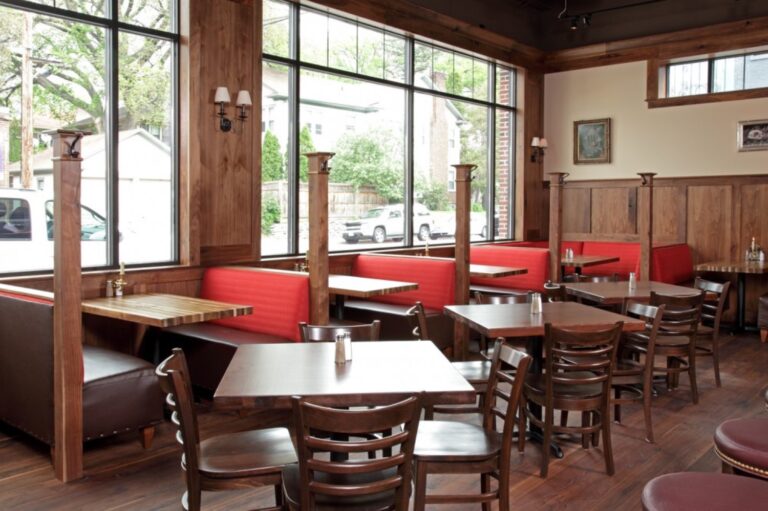
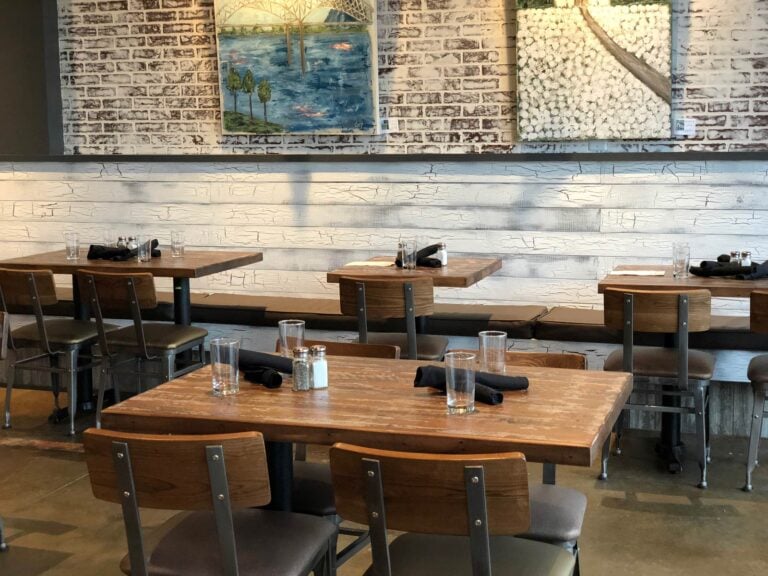
Custom For Pyros Pizza Restaurant In—restaurant tabletop image.

Timeworn Wood Case Study: Pyro’s Company

We sat down with Chad, founder of Pyro’s Company, to learn more about his experience working with the Timeworn team and the role the table tops have played in the design of his multiple restaurant locations.
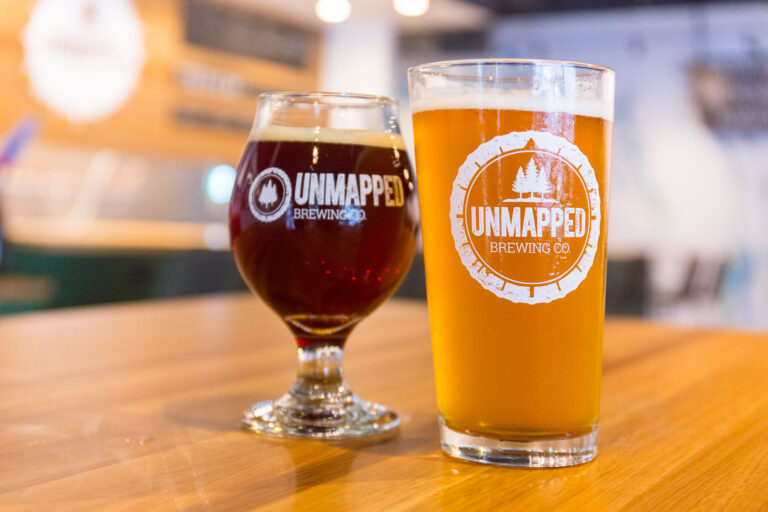
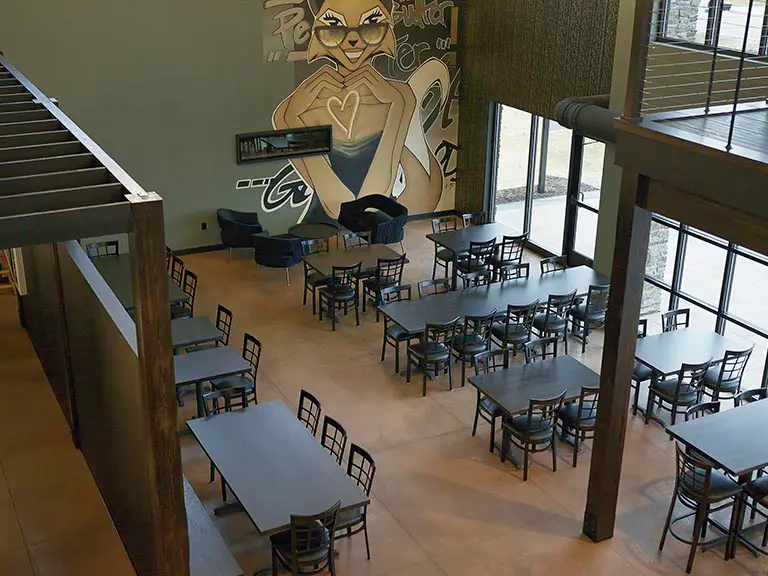
Unmapped Brewing Wood—restaurant tabletop image.

Unmapped Brewing Brings the Outdoors in with Wooden Table Tops

Founded by avid outdoor enthusiasts, Unmapped Brewing is built around a passion for time spent in nature and quality craft beer. Located in the western Twin Cities suburb of Minnetonka, Unmapped features a 20bbl brewing system as well as a large taproom where customers can enjoy a locally made brew seven days a week.
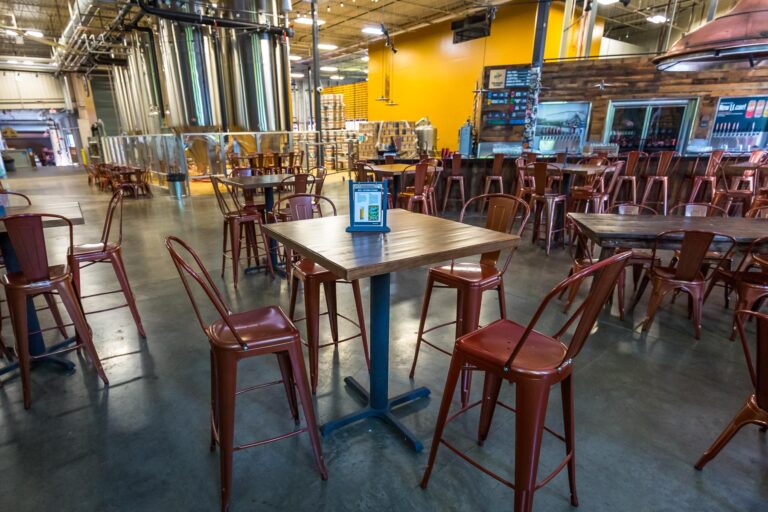
Utepils Brewing Wood Brewery Tables And Custom Bases—restaurant tabletop image.

Timeworn Table Tops Provide a Welcoming Warmth for Utepils Brewing Co.

Utepils Brewing is a new Minnesota craft brewery specializing in producing the finest European beers. Located on the banks of Bassett Creek in northwestern Minneapolis, Utepils’ 18,000 square foot site features an iconic taproom, relaxing outdoor beer garden, and a full-scale craft brewery.

Contact Us

Pro Tip

As you review each project, look at how table sizes relate to aisle width and server routes. If circulation looks effortless in photos, the dimensions and base footprints are supporting both comfort and speed of service.

Clients tell us the tables become the anchor of the room, the element guests notice first and remember later. They talk about warmth, the way real wood takes on light, and how the finish stays clear and easy to clean through long service hours. Teams point out simple wins that matter every day, quick wipe downs, no haze from glasses, and a surface that still looks new after heavy use. Designers and owners also appreciate that sampling is hands on and collaborative, with clear recommendations on sizes and species that support guest circulation and table turns. Those details are why many groups return for second and third locations, matching stains, thickness, and stave layout so the next space delivers the same experience their guests loved the first time.

If you are planning a new build or a renovation, use these projects to pressure test choices before you order, species and color, edge profile and thickness, base selection and aisle width. Walk through the photo sets to see how sizing affects comfort and how communal tables, rounds, and booths shape the floor. For a deeper look at process and durability, start with our overview of how we craft beautiful restaurant tables, then compare outcomes in the Utepils Brewing and Unmapped Brewing case studies, and connect those choices to current restaurant design trends. When you are ready, contact us to review samples, confirm lead time, and align budget with the look and service life you need.

Featured Answer

Which Restaurant table bases are best for tight layouts?

Bolt-down options like the BD2802A keep paths clear and stop drift because the base anchors to the floor. Use bolt-down for two-tops and high-traffic aisles, then mix with freestanding bases such as the CT2070 or CT2030 where you want more flexibility.


Request More Information